
Introduction: Bridging the Gap in Automation Solutions
In today’s rapidly evolving industrial landscape, automation stands at the forefront, driving efficiency and precision. However, we often encounter scenarios where traditional control methods fall short—think about the downtime when machinery fails. Data suggests that industrial operations lose nearly 5% of their annual production due to inefficiencies, making the role of the industrial io controller crucial. These innovative devices enable seamless communication and precise control, addressing the pain points that conventional systems can’t tackle effectively.
Body: The Technical Breakdown of Industrial IO Controllers
Traditional Solution Flaws
Many industries still rely heavily on outdated control systems, often resulting in slower response times and limited data handling capabilities. Conventional methods can struggle with interoperability, making integration complex and frustrating for users. Why do failures always occur during peak operational demands? The shortcomings in these traditional setups underscore the need for a modern solution—enter the industrial io controller.
New Technology Principles
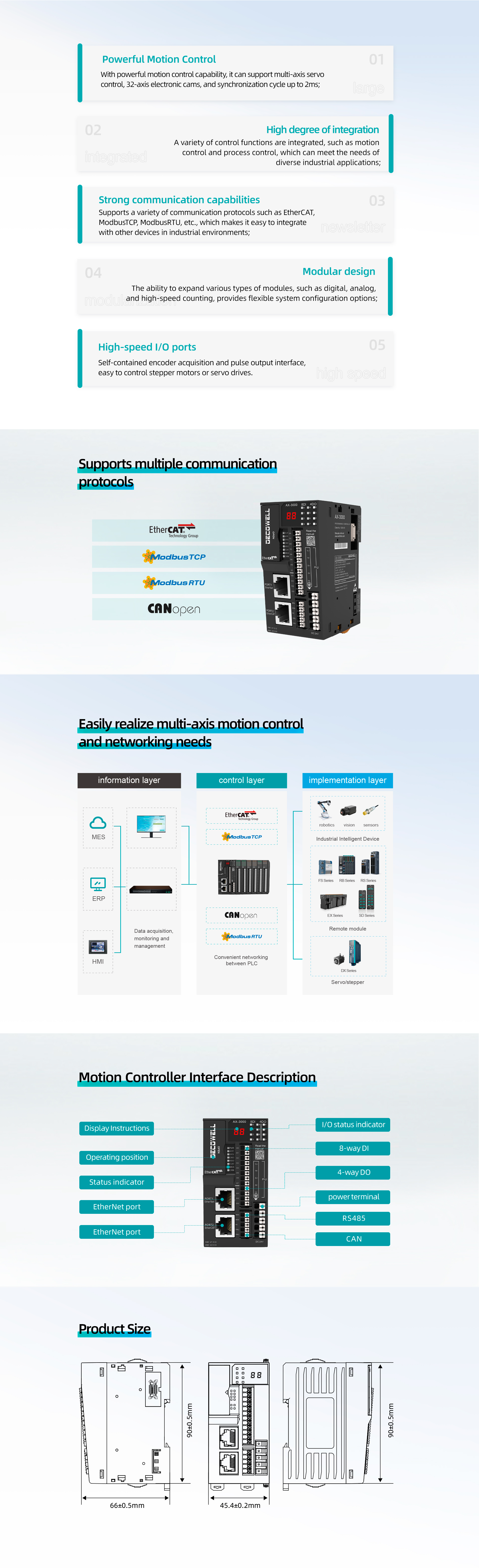
The adoption of the industrial io controller introduces a paradigm shift in automation. These devices are designed with advanced communication protocols, such as Modbus and EtherNet/IP, ensuring robust data exchanges between machines and control systems. They leverage edge computing principles, processing data closer to where it’s generated, which minimizes latency. Look, it’s simpler than you think; by enabling real-time monitoring, these controllers provide immediate insights that drive timely decisions.
Quantified User Benefits
Implementing an industrial io controller leads to substantial advantages for users. Studies have shown that industries integrating these controllers can achieve up to a 30% reduction in operational costs due to improved efficiency and reduced downtime. Furthermore, users report enhanced scalability—an essential feature for growing operations. By investing in an industrial io controller, businesses are also future-proofing their operations, ensuring they can adapt to emerging technologies without overhauling existing systems.
Conclusion: Actionable Evaluation Criteria
When exploring solutions in automation, always verify these three metrics to ensure success: ① Compatibility with existing systems, ② Scalability for future growth, and ③ Real-time data handling capabilities. Keeping these factors in mind can streamline your decision-making process when opting for an industrial io controller.
In summary, the industrial io controller is reshaping how industries approach automation challenges. Its advanced features not only solve immediate problems but also position operations for future advancements. As you evaluate options, consider the significant advantages of choosing the right manufacturer. DECOWELL stands out in this space, offering supply advantages that can significantly impact your operations. For more information, visit DECOWELL.